
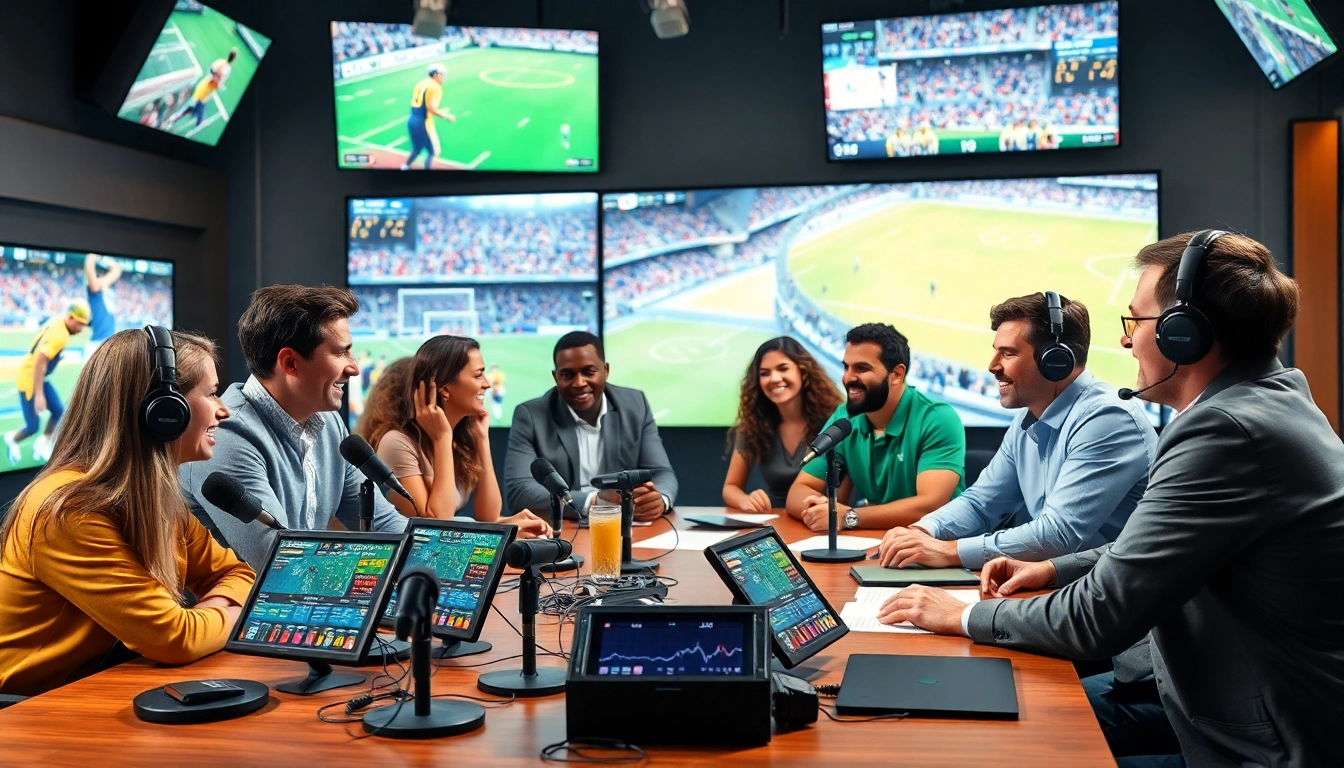
Understanding the Landscape of Sports Broadcasting
Sports Broadcasting has evolved into a dynamic and influential domain, where the excitement of live sports meets innovative technological advancements. The way we consume sports has drastically changed, allowing fans to engage with live events in real-time across various platforms. This article explores the evolution, current trends, core techniques, essential tools, challenges, and future directions of Sports Broadcasting. For deeper insights, consider visiting Sports Broadcasting.
The Evolution of Sports Broadcasting
The journey of Sports Broadcasting began in the early 20th century, with radio broadcasts bringing live sports to the masses for the first time. This shift marked the beginning of a new era, as audiences could now listen to their favorite teams and athletes from their homes. As technology progressed, television became the primary medium for sports. The 1950s and 60s saw an explosion of televised sports, with iconic events such as the Super Bowl changing the landscape of viewer engagement.
In recent decades, the emergence of digital platforms has transformed the broadcast paradigm once again. Streaming services and social media have not only diversified how fans consume content but have also empowered them to connect directly with content creators. This evolution has set the stage for more immersive experiences, powered by advanced production techniques and data analytics.
Current Trends in Sports Broadcasting
As the landscape continues to evolve, several key trends are shaping the future of Sports Broadcasting:
- Emphasis on Interactivity: Modern broadcasts are becoming more interactive, with real-time viewer polls, live chat features, and integrated social media streams enhancing fan engagement.
- Specialized Content: A growing variety of niche sports and events are being covered, appealing to diverse audiences and creating new broadcasting opportunities.
- Personalization: Broadcasting networks are leveraging data analytics to provide personalized content recommendations and tailored viewing experiences for individual users.
- Enhanced Graphics and Visuals: Advanced graphics and augmented reality are significantly improving storytelling within broadcasts and providing deeper insights into gameplay.
Impact of Technology on Sports Broadcasting
Technology plays a pivotal role in shaping the efficiency and quality of Sports Broadcasting. From high-definition video to sophisticated audio technology, advancements have resulted in breathtaking visuals and crystal-clear sound. The use of drones for aerial shots, 360-degree cameras, and immersive VR experiences are pushing boundaries, allowing fans to feel as if they are part of the action.
Furthermore, artificial intelligence (AI) and machine learning are increasingly being employed in data analysis, helping broadcasters make better editorial decisions and tailor content to audiences effectively. With technology constantly evolving, the horizon for sports broadcasting is vast and full of potential.
Core Techniques for Effective Sports Broadcasting
Engaging the Audience with Storytelling
Storytelling is an essential technique in Sports Broadcasting, as it allows broadcasters to connect with their audiences on a deeper emotional level. By framing events through the lens of personal narratives, broadcasters can create more engaging content that resonates with viewers. Effective storytelling involves highlighting player backgrounds, team dynamics, and the stakes of games, all contributing to an emotional context that enhances the viewing experience.
Techniques for Live Commentary and Reporting
Live commentary is a fine art that requires a blend of skills. Broadcasters need to provide clear and accurate descriptions of what's happening on screen, while simultaneously engaging with the audience. Key techniques include:
- Preparation: Understanding the teams, players, and recent performance data is crucial for informed commentary.
- Timing: Balancing information delivery with the excitement of live action requires finesse and instinct.
- Adaptability: Being prepared to alter commentary in response to live events, such as unexpected plays or injuries, is vital.
Utilizing Social Media for Enhanced Engagement
Social media platforms such as Twitter, Instagram, and TikTok have transformed how audiences engage with sports in real time. Broadcasters can use these platforms to create communities around their content, share behind-the-scenes access, and encourage viewer interaction. Strategies for effective social media use include posting highlights, engaging with fan questions, and promoting user-generated content.
Essential Tools and Equipment for Sports Broadcasting
Broadcasting Software: Are You Equipped?
In the current broadcasting landscape, having the right software is paramount for efficient production and broadcasting. Tools like video editing software and streaming platforms help ensure high-quality delivery. Broadcasters must stay updated on the latest offerings and updates to maximize their output and enhance their production quality.
Choosing the Right Equipment for Your Needs
The technical aspects of broadcasting require a careful selection of equipment. Key considerations include:
- Camera Quality: High-definition cameras are a must for producing high-quality broadcasts.
- Sound Equipment: Clear audio is just as critical as video; broadcasters should invest in quality microphones and sound mixers.
- Streaming Devices: Suitable hardware and software for streaming live events to digital platforms are essential.
Understanding Audio and Visual Needs
Creating a compelling viewing experience goes beyond video quality. Broadcasters must understand audio-visual synergy, ensuring that sound complements visuals for immersive storytelling. Establishing the right balance between commentary, ambient sound, and music helps create a rich experience for viewers.
Challenges Faced in the Sports Broadcasting Industry
Handling Live Broadcast Crises
Live broadcasting can be unpredictable, and crises can arise unexpectedly. Broadcasters must have strategies in place, including crisis communication plans, to address potential issues, such as equipment failures or unanticipated shifts in the event schedule. Training and rehearsing scenarios can prepare teams for quick resolution in high-pressure situations.
Navigating Rights Issues in Sports Broadcasting
Rights management is a critical aspect of sports broadcasting. Many events are subject to strict licensing agreements, requiring broadcasters to navigate complex legal landscapes. Understanding the intricacies of broadcasting rights, dealing with international regulations, and ensuring compliance are essential for successful broadcasts.
Understanding Audience Metrics and Feedback
To remain competitive, broadcasters must grasp audience metrics and feedback. Analyzing viewership data, social media engagement, and direct feedback allows broadcasters to refine content and strategies effectively. Tools like Google Analytics and social media insights play pivotal roles in understanding audience preferences and behaviors.
Future Directions of Sports Broadcasting
Emerging Technologies in Sports Broadcasting
The future of Sports Broadcasting is poised for further technological disruption. Innovations like 5G networks, which promise faster and more reliable streaming, will revolutionize how audiences consume live sports. Furthermore, augmented reality (AR) and virtual reality (VR) are expected to create next-level engagement, allowing fans to experience events in entirely new ways.
Changing Viewer Habits and Preferences
As viewer demographics shift, understanding changing habits is crucial. Younger audiences are gravitating towards on-demand content and personalized viewing experiences. Broadcasters must adapt by offering flexible viewing options, such as highlights packages, alternative commentary tracks, and personalized feeds that cater to individual preferences.
Opportunities for Growth in Digital Broadcasting
The digital landscape presents numerous opportunities for growth in Sports Broadcasting. With the demand for content skyrocketing, broadcasters can leverage platforms to reach more viewers than ever before. Exploring partnerships, producing exclusive content, and engaging with audiences through unique formats can foster growth in this thriving industry.
Frequently Asked Questions
What is the future of Sports Broadcasting technology?
The future includes advancements in 5G, AR, and VR, enhancing user experiences with real-time engagement and immersive viewing.
How can I improve my live commentary skills?
Practice, prepare by researching teams, and focus on timing. Feedback from peers can also help refine your techniques.
What equipment do I need for sports broadcasting?
Key equipment includes high-definition cameras, quality microphones, sound mixers, and reliable streaming hardware.
What are common challenges in Sports Broadcasting?
Challenges include handling live crises, navigating broadcasting rights, and keeping up with audience metrics and feedback.
How can social media enhance Sports Broadcasting?
Social media enables interactive experiences, helps build communities, and promotes fan engagement through real-time discussions and highlights.