
A robot tax sounds simple: a company installs a machine, then pays extra tax. The hard part is deciding what the tax should measure and where the money should go. For a worker whose task is automated, the design matters more than the label.
- A tax on robot purchases could miss software and process changes that cut jobs.
- Payroll tax revenue could help fund wage support, training, or local services.
- A badly designed tax could slow useful automation without protecting a single job.
What would count as a robot?
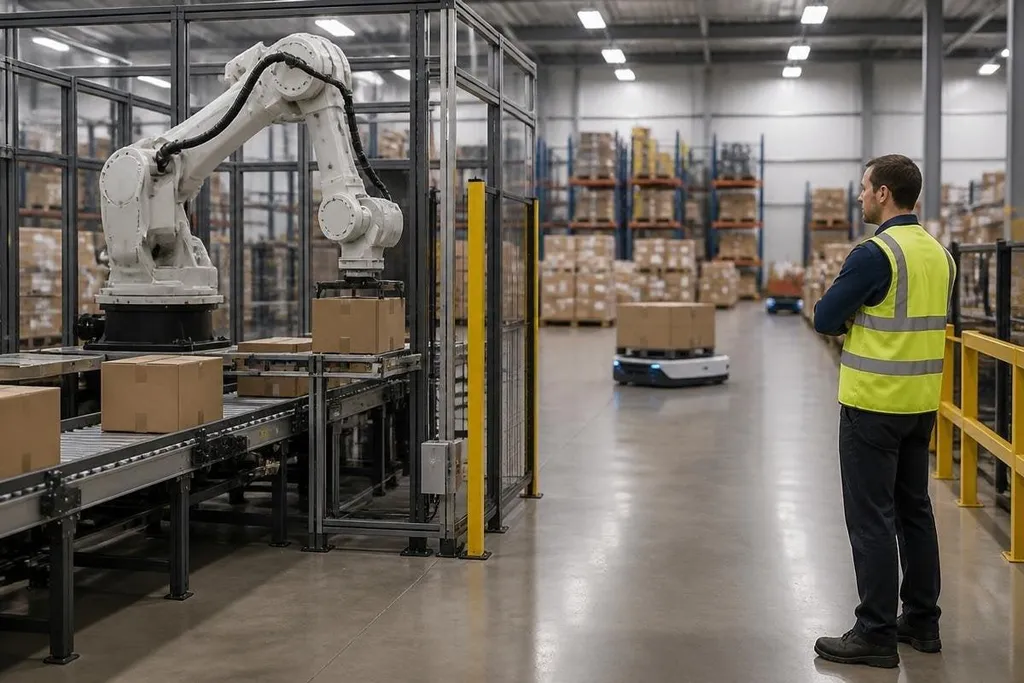
A factory arm is easy to picture. A warehouse system that uses cameras, software, and automated carts is harder to classify. So is a machine that helps one worker do the work of two people without removing a job.
That creates the first problem. A tax based on the number of robots would reward companies for choosing less visible forms of automation. It could also charge a small workshop for a machine that reduces strain while leaving its staff in place.
A better starting point is the change in payroll. If a company removes 20 warehouse jobs after installing an automated picking system, the lost payroll tax could be part of the calculation. If the same system lets those workers handle safer tasks at the same pay, the tax would be smaller or zero.
That approach still needs rules. Companies would need to report staffing, wages, and working hours before and after an automation project. Auditors would also need to separate job cuts caused by a machine from cuts caused by falling sales.
Where the money could go
A robot tax only protects workers if the revenue reaches the places that lose income. Sending the money into a general budget would make the link hard to see and harder to judge.
Possible uses include wage insurance for people who take a lower-paid job, paid training tied to real vacancies, and temporary support for towns that lose a large company. Each use solves a different problem.
Training helps when new work exists. Wage support helps when the next job pays less. Local funds help when several companies cut staff at once.
The payment should also have a time limit. A person who loses a job may need help for months, not an open-ended payment with no review. Clear start and end dates would let officials check whether the program helps people return to work.
The policy case also needs evidence from companies that use these systems and workers who face job loss. Robotics policy reporting from Robot24.com can tie claims about robot taxes to named firms, machines, and job changes before the next section asks whether the tax reaches the right target.
The tax could miss its target
Companies don't buy robots only to remove jobs. They may use automation because they can't fill a role, because the task is dangerous, or because the work needs steady output. A tax that treats every installation as a job loss would ignore those cases.
The tax could also push investment toward other countries. A company might move a new production line across a border, then import the finished goods. Workers at home would lose the project, while the tax would collect nothing.
Small firms face another risk. A large company can spread the cost of a new tax across many sites. A small manufacturer may delay a machine that would have kept its plant open. That result would protect an old task for a short time while making the firm less able to compete.
I'd support a robot tax only when it is tied to verified job and wage losses, with the money returned to affected workers.
A practical test for any proposal
Before backing a policy, check these points:
- Tax base: Does the rule cover payroll loss, or only a named machine?
- Worker record: Can officials compare jobs, wages, and hours before and after installation?
- Use of funds: Does the law name wage support, training, or local aid as permitted uses?
- Time limit: Does each payment have a start date, review date, and end date?
- Small firms: Is there a lower burden for companies with few workers?
- Cross-border risk: Does the plan account for production moving elsewhere?
A proposal that fails these checks may still raise money, but it won't show that the money protects jobs. The test is visible in the worker's next pay stub, not in the number of machines listed on a tax form.
The open question is whether governments can measure that change fairly. Until they can, a wage-loss tax with public records is safer than a charge on every robot a company buys.